Ontario Hood Cleaning
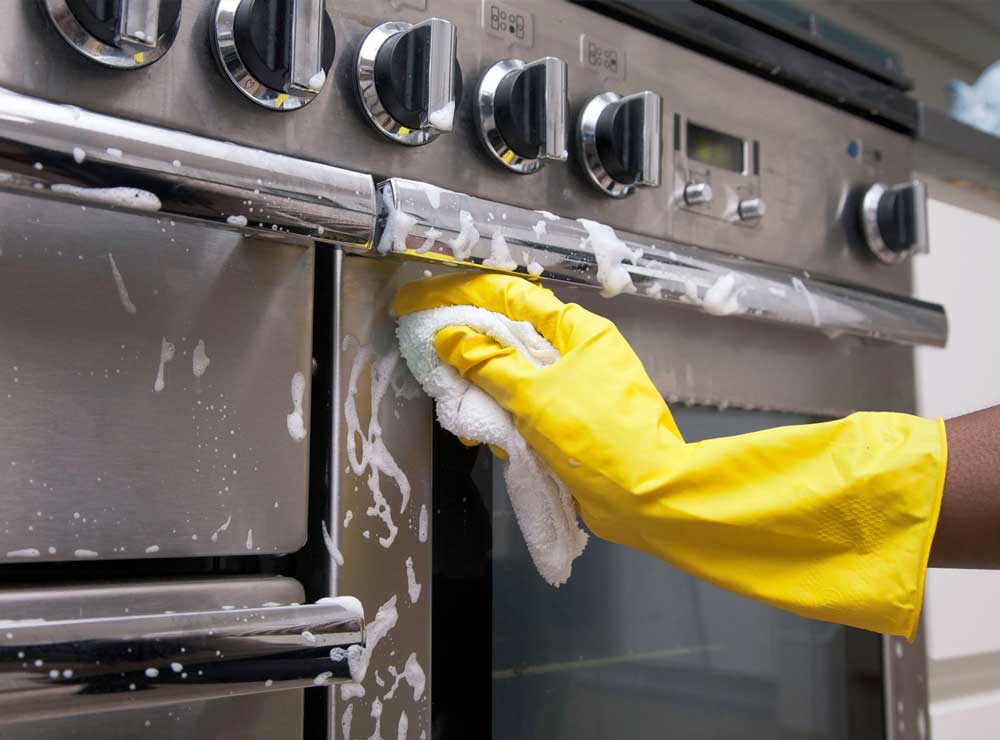
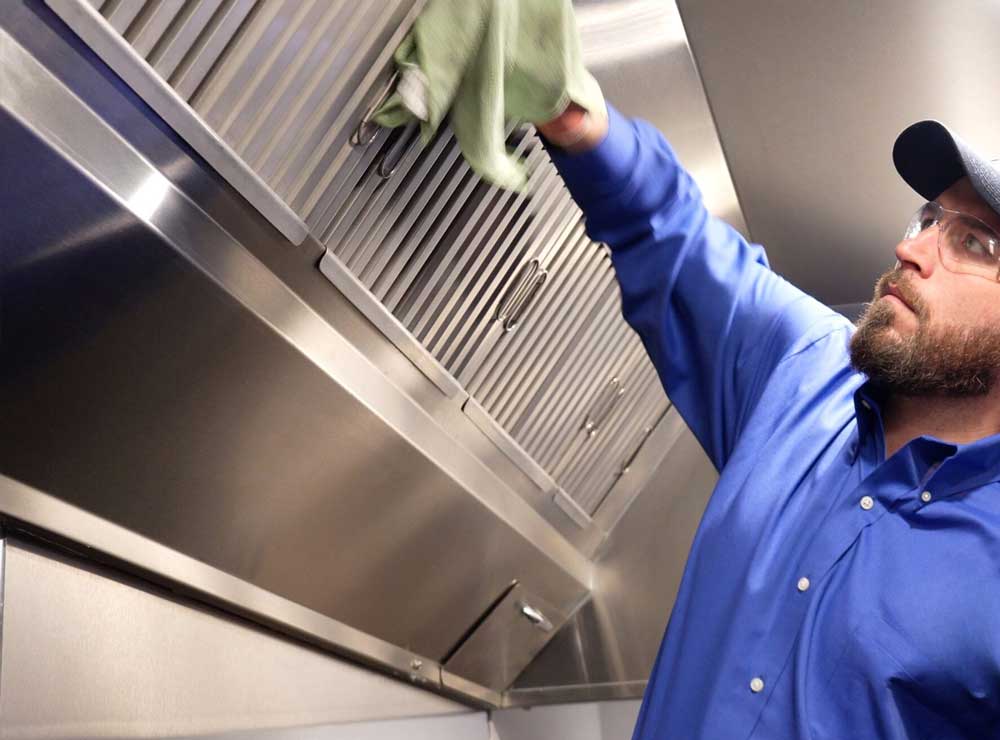
Professional sanitizing commercial kitchen food preparation surfaces in Ontario restaurant

Kitchen Sanitation Services in Ontario

Bacteria multiply fast in commercial kitchens. E. coli, Salmonella, Listeria—one outbreak destroys reputations and closes businesses. Ontario Hood Cleaning provides professional sanitation that eliminates 99.9% of pathogens. Protect your customers. Protect your business.

Health Code Compliant
Flexible Scheduling
Free quotes

Get a Fast Quote

You’ll hear back in under 2 hours.

Sanitation That Goes Beyond Visible Clean

Your staff wipes down surfaces. But bacteria hide in cracks, under equipment, and in places daily cleaning doesn't reach. Cross-contamination happens faster than you think—a single contaminated surface can spread pathogens to hundreds of meals.

Ontario Hood Cleaning provides comprehensive commercial sanitation using EPA-registered disinfectants proven effective against foodborne pathogens. We don't just clean surfaces—we eliminate bacteria, viruses, and other microorganisms that cause foodborne illness. Every sanitation includes documentation for your health department records.

Complete Sanitation Coverage

  • Food preparation surfaces (cutting boards, prep tables, counters)
  • Cooking equipment (interior and exterior surfaces)
  • Storage areas (shelving, dry storage, walk-ins)
  • Refrigeration units (shelves, gaskets, handles)
  • Floors, drains, and wall junctions
  • High-touch surfaces (handles, switches, controls)
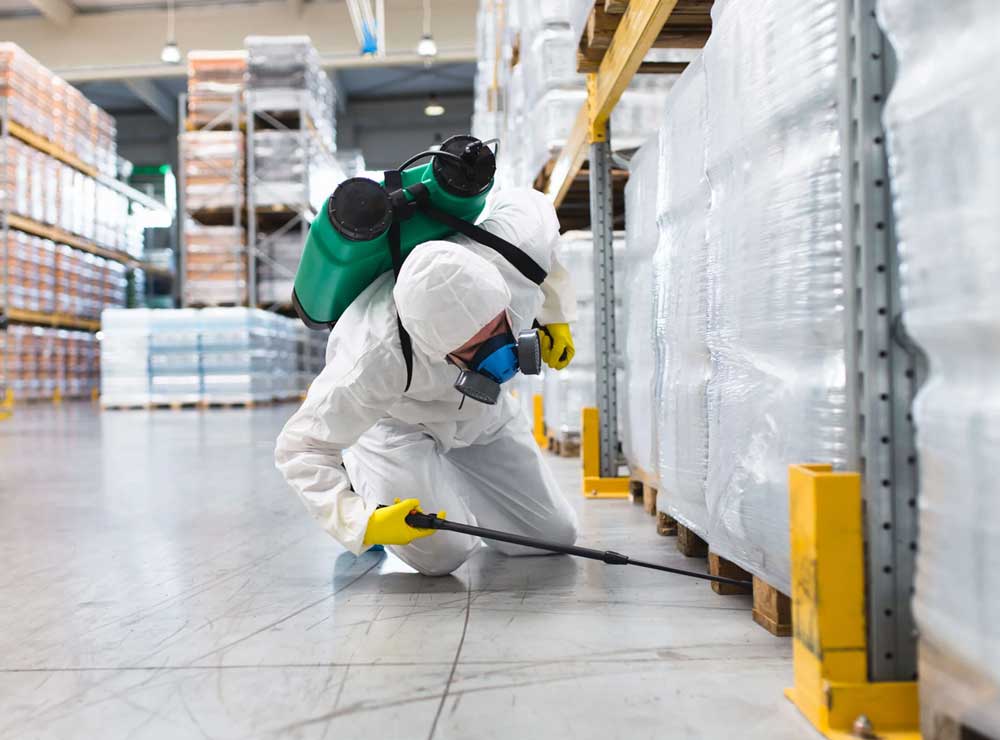
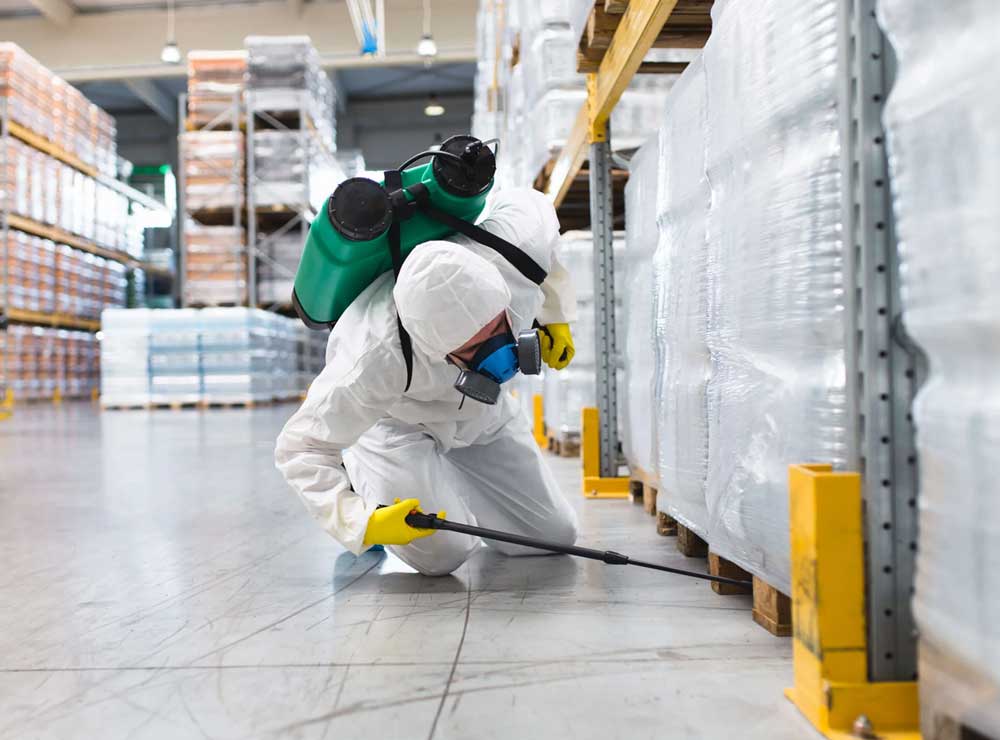
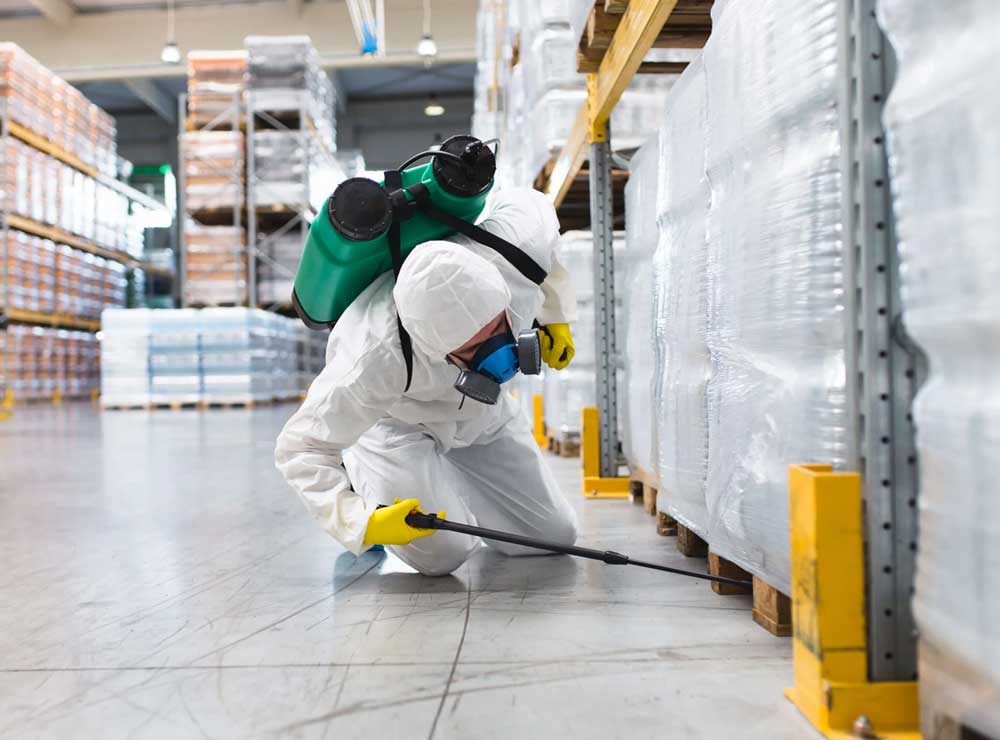
Technician applying EPA-approved sanitizer to commercial kitchen surfaces
Benefits

Why Professional Sanitation Protects Your Business

Foodborne illness outbreaks cost Ontario restaurants an average of $75,000 in direct costs—plus reputation damage that lasts years.

Eliminate Foodborne Pathogens

Eliminate Foodborne Pathogens

Professional sanitation kills 99.9% of bacteria, viruses, and fungi that cause foodborne illness. E. coli, Salmonella, Listeria, and Norovirus can't survive proper sanitization. Daily cleaning reduces contamination; professional sanitation eliminates it.

  • 99.9% pathogen elimination
  • Prevent cross-contamination
Health Code Compliance

Health Code Compliance

Ontario health inspectors test for contamination. Failed swab tests lower your score and can trigger mandatory closures. Regular professional sanitation ensures your surfaces pass testing and your operation stays compliant.

  • Pass swab testing
  • Maintain A+ health rating
Protect Your Reputation

Protect Your Reputation

One foodborne illness report generates news coverage, social media attention, and lasting reputation damage. No marketing can undo that harm. Professional sanitation is insurance against the kind of incident that ends businesses.

  • Prevent illness outbreaks
  • Protect customer trust
Healthier Staff, Fewer Sick Days

Healthier Staff, Fewer Sick Days

Kitchen staff get sick from the same pathogens that affect customers. A properly sanitized kitchen reduces staff illness—meaning fewer call-outs, more consistent operations, and lower labor costs from emergency staffing.

  • Reduce staff illness
  • Lower absenteeism costs
How We Work

Our Sanitation Process

Systematic sanitization with documentation that satisfies health inspectors.
Our cleaning process

5

Steps

01

Assessment

We evaluate your facility, identify high-risk areas, and develop a customized sanitation plan based on your operation type and volume.

02

Pre-Cleaning

Visible soil, grease, and debris are removed. Sanitizers work best on pre-cleaned surfaces—soil prevents contact with pathogens.

03

Sanitization

EPA-registered sanitizers are applied to all food-contact surfaces with proper dwell time. We use products approved for food service environments.

04

High-Risk Disinfection

Areas with elevated contamination risk receive additional treatment—drain areas, floor junctions, and equipment crevices where pathogens accumulate.

05

Documentation

Detailed service report listing products used, areas treated, and compliance certification—ready for health department inspection records.

FAQ

Common Questions

We use EPA-registered sanitizers and disinfectants approved for food service environments. Products are effective against bacteria (including E. coli, Salmonella, Listeria), viruses (including Norovirus), and fungi. All products are food-safe when used as directed and pose no risk to food preparation after proper drying.
We recommend professional sanitation at least monthly for most restaurants. High-volume operations, healthcare food service, and facilities serving vulnerable populations benefit from bi-weekly service. After any illness incident, immediate deep sanitation is essential.
Cleaning removes visible dirt and some bacteria. Sanitizing reduces bacteria to safe levels for food-contact surfaces. Disinfecting kills nearly all pathogens including viruses. Our service includes all three—pre-cleaning first, then sanitizing food-contact surfaces, and disinfecting high-risk areas.
No. We use food-safe products approved for commercial kitchen use. These sanitizers leave no residue harmful to food when allowed to dry properly. We schedule service during closed hours to ensure proper dwell time and drying before your next prep shift.
Most restaurant kitchens take 2-4 hours for complete sanitation. Larger facilities like hotel kitchens or institutional cafeterias take 4-6 hours. We schedule overnight or during closed periods so your kitchen is ready for the next business day.
We can sanitize specific areas during slow periods, but comprehensive sanitation works best during closed hours. This allows proper product application, adequate dwell time, and complete drying before food preparation resumes. Most clients schedule overnight service.
Yes. Every sanitation service includes a detailed report listing all products used, areas treated, contact times, and service date. This documentation satisfies health department requirements and provides proof of your sanitation program for inspectors.
Absolutely—sanitation is essential after any pest incident. Rodents and insects leave contamination wherever they travel. We provide deep sanitization after pest control, eliminating pathogens from droppings, contact points, and affected surfaces. This is critical before resuming food service.
Staff cleaning uses food service sanitizers for quick surface treatment. Professional sanitation uses stronger EPA-registered products with proper dwell times, reaches areas staff can't access during shifts, and provides documented proof of pathogen elimination. Both are necessary—daily cleaning maintains, professional sanitation eliminates.
Yes. Norovirus is highly contagious and survives on surfaces for days. Standard cleaning doesn't fully eliminate it. Professional disinfection with EPA-registered products effective against Norovirus breaks the transmission chain. We especially recommend service after any suspected Norovirus case.
Yes. Walk-in sanitization is essential for food safety. We sanitize shelving, walls, floors, door handles, and gaskets. Cold temperatures slow bacterial growth but don't eliminate pathogens—regular sanitization is still necessary for walk-in environments.
We can incorporate allergen-focused sanitization for facilities handling major allergens (nuts, gluten, shellfish). This includes targeted cleaning to prevent allergen cross-contact—critical for facilities serving allergen-sensitive customers or producing allergen-labeled products.

Service Areas

Serving the Greater Toronto Area and Ontario

Protect Your Kitchen from Contamination

Get professional sanitation that eliminates 99.9% of pathogens. Health code compliant documentation included.

Ready to keep your kitchen safe and inspection-ready?

Ontario Hood Cleaning gives quick quotes, NFPA 96 documentation, and Ontario-wide response.